
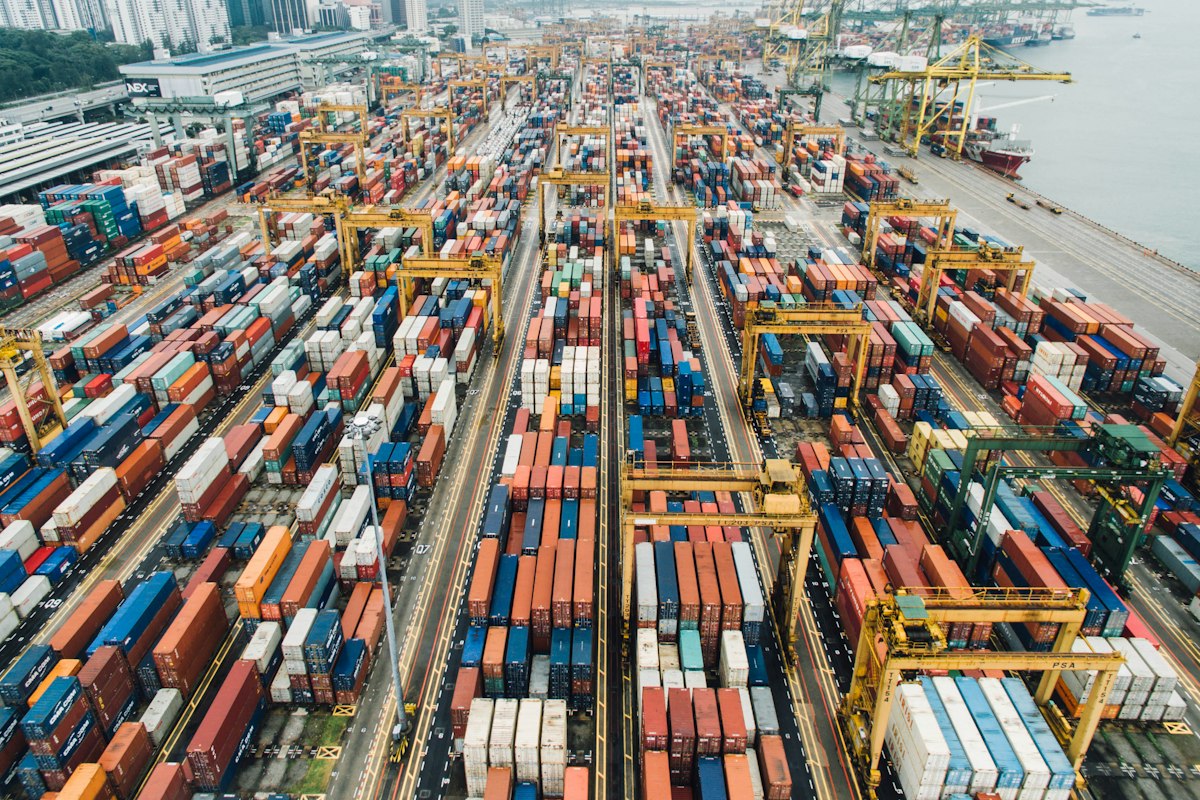
In today’s interconnected economy, no business can scale globally without a dependable partner for international logistics services. Whether you’re an exporter shipping goods to new markets or an importer sourcing raw materials from overseas suppliers, the efficiency of your logistics network directly determines your profitability, compliance record, and customer satisfaction.
This guide breaks down what international logistics services actually involve, why they matter, and how the right consulting partner — like EximSCM — can help you save on freight costs, avoid regulatory penalties, and build a resilient global supply chain.
What Are International Logistics Services?
International logistics services refer to the end-to-end management of goods movement across borders — covering freight forwarding, customs clearance, documentation, warehousing, insurance, and last-mile delivery. Unlike domestic logistics, international logistics involves additional layers of complexity:
- Multiple regulatory jurisdictions (customs, DGFT, trade agreements)
- Currency and trade finance considerations
- Multimodal transport (sea, air, rail, and road)
- Documentation such as Letters of Credit (LC), Bills of Lading, and Certificates of Origin
- Duty structures, tariffs, and Free Trade Agreement (FTA) benefits
A well-designed logistics strategy doesn’t just move boxes from Point A to Point B — it protects margins, reduces detention and demurrage costs, and ensures full compliance with international trade law.
Why International Logistics Services Matter for Growing Businesses
1. Cost Optimization on Freight & Detention
One of the biggest hidden costs in global trade is container detention and demurrage. Poor coordination between shipping lines, CHAs (Customs House Agents), and consignees often leads to unnecessary charges. Structured freight and shipment management can help businesses achieve near-zero detention through proactive planning and vendor coordination.
2. Regulatory & Customs Compliance
Non-compliance with export-import regulations can lead to shipment delays, penalties, or even blacklisting by customs authorities. Staying updated with DGFT notifications and customs classification rules is essential for smooth cross-border movement.
3. Access to Duty Benefits and Exemptions
Many businesses leave money on the table by not claiming eligible duty benefits under schemes like Advance Authorization, EPCG, or Free Trade Agreements. Specialized guidance on duty optimization can significantly reduce landed costs.
4. Specialized Cargo Handling
Not all cargo is created equal. Break bulk shipments, Over Dimensional Cargo (ODC), hazardous goods, and project cargo each require specific handling protocols, documentation, and route surveys to avoid damage or compliance issues.
5. Risk & Insurance Management
Cross-border shipments carry inherent risks — transit damage, delays, and non-payment. Marine cargo insurance and credit risk management, often supported through ECGC frameworks, help safeguard your shipments and receivables.

Key Components of a Reliable International Logistics Partner
When evaluating an international logistics services provider, look for expertise across these core areas:
| Service Area | What It Covers |
|---|---|
| Global Freight Management | Ocean, air, and multimodal freight negotiation and coordination |
| Export-Import Compliance | LC documentation, EDPMS/IDPMS closure, customs classification |
| Duty Benefits & Exemptions | FTA certificates of origin, duty-free/deferred duty imports |
| Project Logistics | Route surveys, contract management, specialized cargo movement |
| Licensing & Regulatory Closures | MOOWR, IGCR, Advance & EPCG license management |
| Risk Management | Marine insurance, claims, and credit risk mitigation |
| Training & Outsourcing | Building in-house EXIM capability through structured training |
EximSCM’s service offerings are structured around exactly these pillars — helping businesses of every size manage global trade with confidence.
How EximSCM Supports Your Global Trade Journey
EximSCM is a specialized global business consulting firm offering end-to-end solutions in export-import operations and supply chain management. Instead of treating logistics as a transactional function, EximSCM works as a strategic partner across:
- Project Consultancy — for businesses handling complex, large-scale cargo movements that need route planning, vendor identification, and contract management from start to finish.
- Outsourcing & Training — for companies that want to build internal EXIM capability by training employees or outsourcing specialized manpower for day-to-day operations.
- Global Business Consulting — covering market entry strategy, sourcing, procurement, and compliance advisory for businesses expanding into new international markets.
To understand how the team approaches client engagements and its track record in global trade consulting, visit the About Us page.
Best Practices for Choosing International Logistics Services
- Prioritize compliance expertise, not just pricing. The cheapest freight quote often ignores hidden compliance risks that cost more later.
- Ask about detention and demurrage track record. A good partner actively works to minimize these charges, not just react to them.
- Check for multimodal and specialized cargo experience. If you ship ODC, hazardous, or project cargo, ensure your partner has proven route-survey capability.
- Evaluate their regulatory network. Strong relationships with customs, DGFT, and shipping lines translate to faster query resolution.
- Look for a consultative approach. The best logistics partners help you design your supply chain strategically, not just execute shipments.
Final Thoughts
Efficient international logistics services are no longer a back-office function — they’re a competitive advantage. From freight savings and duty optimization to compliance and risk management, the right logistics partner can be the difference between a supply chain that scales smoothly and one that constantly firefights avoidable problems.
If you’re looking to streamline your global trade operations, reduce freight and detention costs, and stay fully compliant across markets, get in touch with EximSCM for a free consultation tailored to your business.
Explore more insights on global trade and supply chain management on the EximSCM Blog.